口语Part 2非典型地点:功能模糊空间的‘感知锚点’描述法

什么是‘功能模糊空间’?
这类Part 2话题卡不强调明确用途(如图书馆/咖啡馆),而聚焦于日常中功能未被命名、使用方式多元、存在感微弱但具个人意义的空间。典型表述如:a place where people leave things temporarily / a small space that doesn’t have an official name / somewhere you pass through but sometimes stop at。
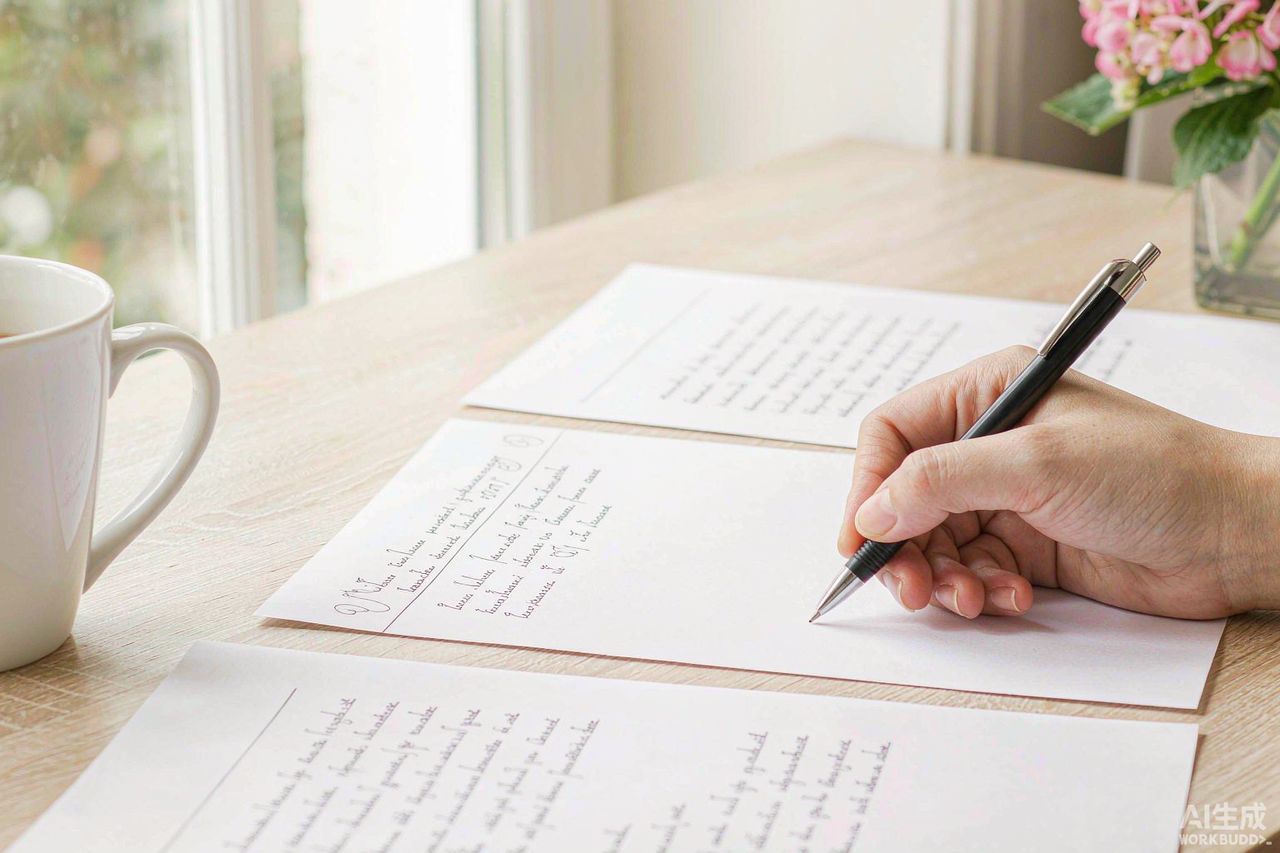
其核心难点不在描述物理特征,而在建立‘为何值得讲述’的合理性——需通过具体感知细节激活听众共情。
三类可迁移的感知锚点
- 触觉锚点:cold metal surface of the booth(电话亭冰凉的金属表面);rough texture of the locker door(储物柜门粗糙的纹理);slightly uneven floor tiles(略微不平的地砖)
- 听觉锚点:muffled sound of footsteps echoing(脚步声被闷住的回响);low hum of the ventilation system(通风系统低沉的嗡鸣);sudden click when the door shuts(门关上时突兀的咔嗒声)
- 光影锚点:a strip of sunlight cutting across the floor(一道阳光斜切过地面);flickering fluorescent light above(头顶闪烁的日光灯);shadows pooling in the corner(阴影在角落积聚)
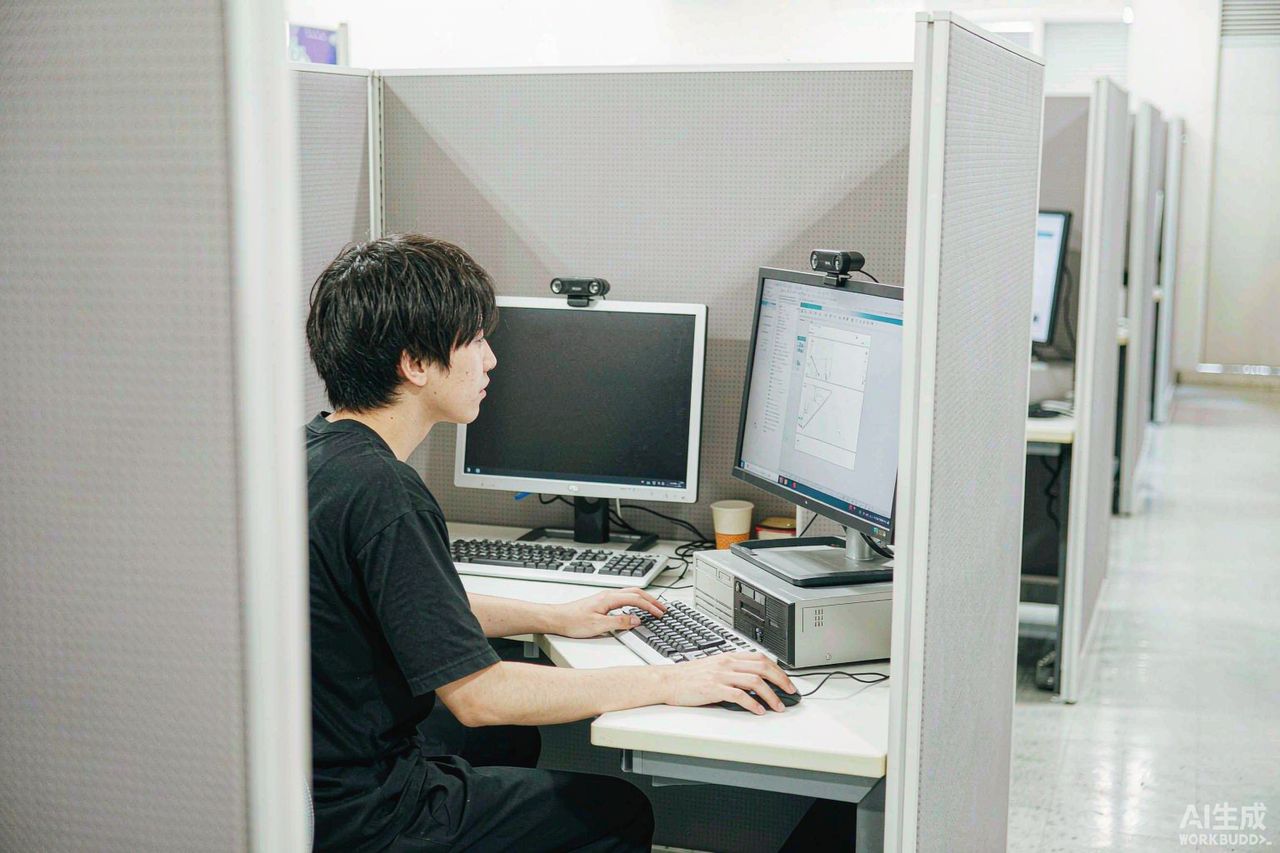
避免抽象概括的表达替换
考生常误用 vague adjectives(模糊形容词)如 'nice', 'interesting', 'special'。应转向具身化表达:
- instead of 'it was quiet' → 'the silence felt thick, like cotton in my ears(寂静厚重得像耳中塞了棉絮)'
- instead of 'it was old' → 'peeling paint revealed layers of different colours(剥落的油漆露出不同年代的颜色层)'
- instead of 'it was small' → 'my shoulders brushed both walls when I turned around(转身时双肩同时擦过两侧墙壁)'
结构建议:从‘意外停驻’切入
不按常规‘介绍→外观→活动→感受’线性展开,而是以一次非计划性停留为叙事支点:
- What made you pause there unexpectedly?(什么让你意外驻足?)
- Which sense registered first—and what did it trigger?(哪种感官最先被唤醒?触发了什么联想?)
- How did your relationship with that space shift after that moment?(那一刻之后,你与该空间的关系发生了何种微妙变化?)
延伸练习建议
每日选取一个真实路过但从未细看的微小空间(如电梯按钮面板、消防栓箱门、楼道感应灯底座),用英文记录:① 1个触觉+1个听觉细节;② 1个光影动态;③ 1个身体动作与空间的互动(e.g., pressing the button with my thumb, watching the red light pulse slowly)。坚持3天后,描述自然更具颗粒感与可信度。
免责声明:非官方真题,仅供备考具体请以官方最新发布为准。本文内容为考生回忆与高频话题整理,不代表任何场次真题,也不构成押题,请以官方发布的考试信息为准。
免责声明:非官方真题,仅供备考参考。本文内容为考生回忆与高频话题整理,不代表任何场次真题,也不构成押题,请以官方发布的考试信息为准。
了解课程详情 · 雅思备考规划咨询
想了解班型、课程安排与上课方式,或者需要一份结合你目前基础的雅思/托福备考规划,可以长按识别(或扫一扫)下方二维码,添加途鸭顾问老师微信,一对一沟通你的目标分数与备考周期。
添加时备注「官网」,顾问会优先帮你安排试听与备考规划建议。